What a Tragic Scoop of Ice Cream Teaches Us About Window Tint
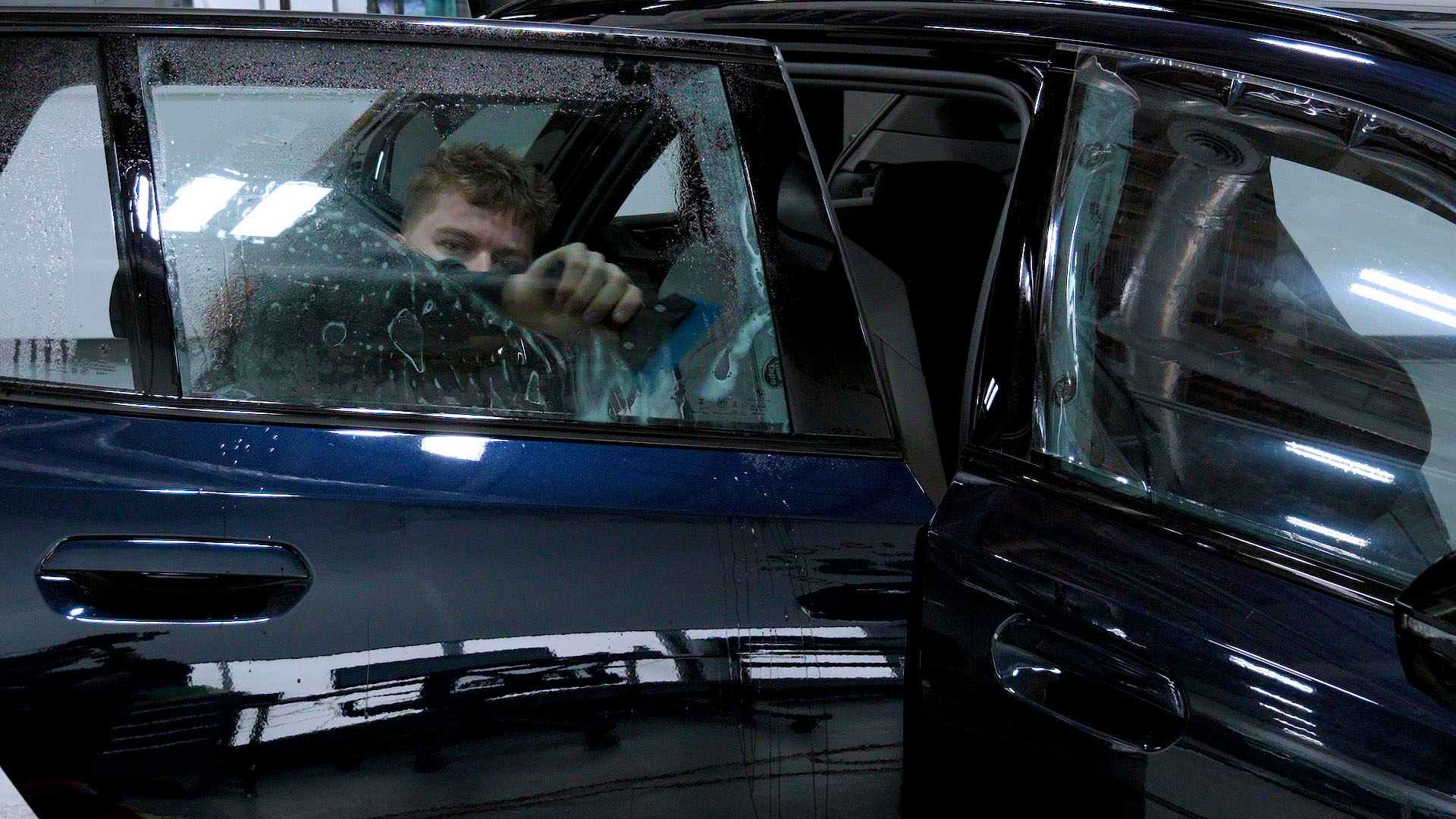
Window tinting is one of the most popular ways to upgrade your ride. Sure, it looks good, but this isn’t just about style points in a parking lot off Buford Highway. A proper tint job cuts UV exposure, keeps the cabin cooler, and gives your overworked AC a fighting chance during another brutal Georgia summer.
So let’s cut through the noise and get into the questions we hear every single day about window tinting, legality, heat rejection, and what actually works down here in Atlanta.
Window Tint Laws in Georgia
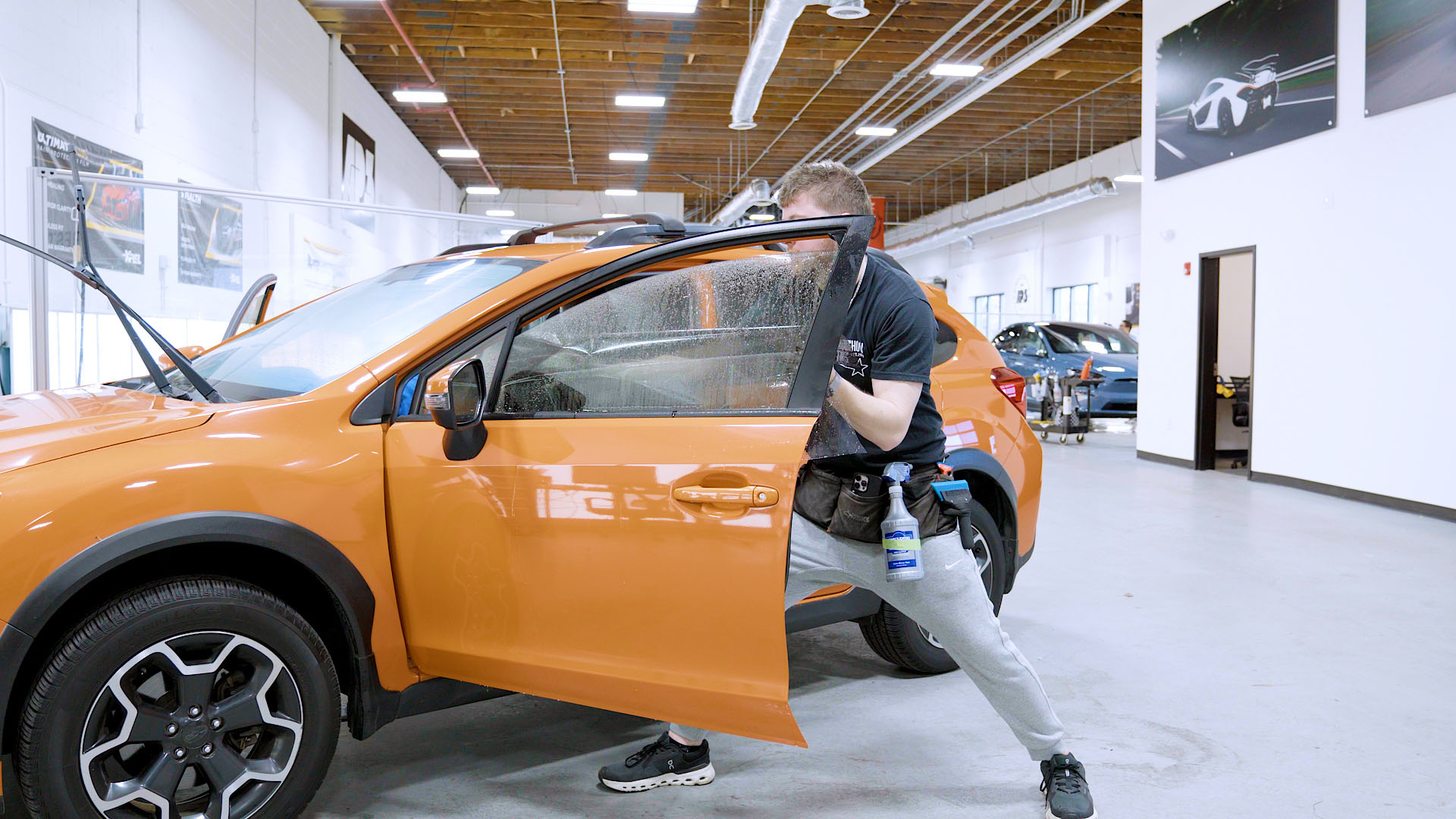
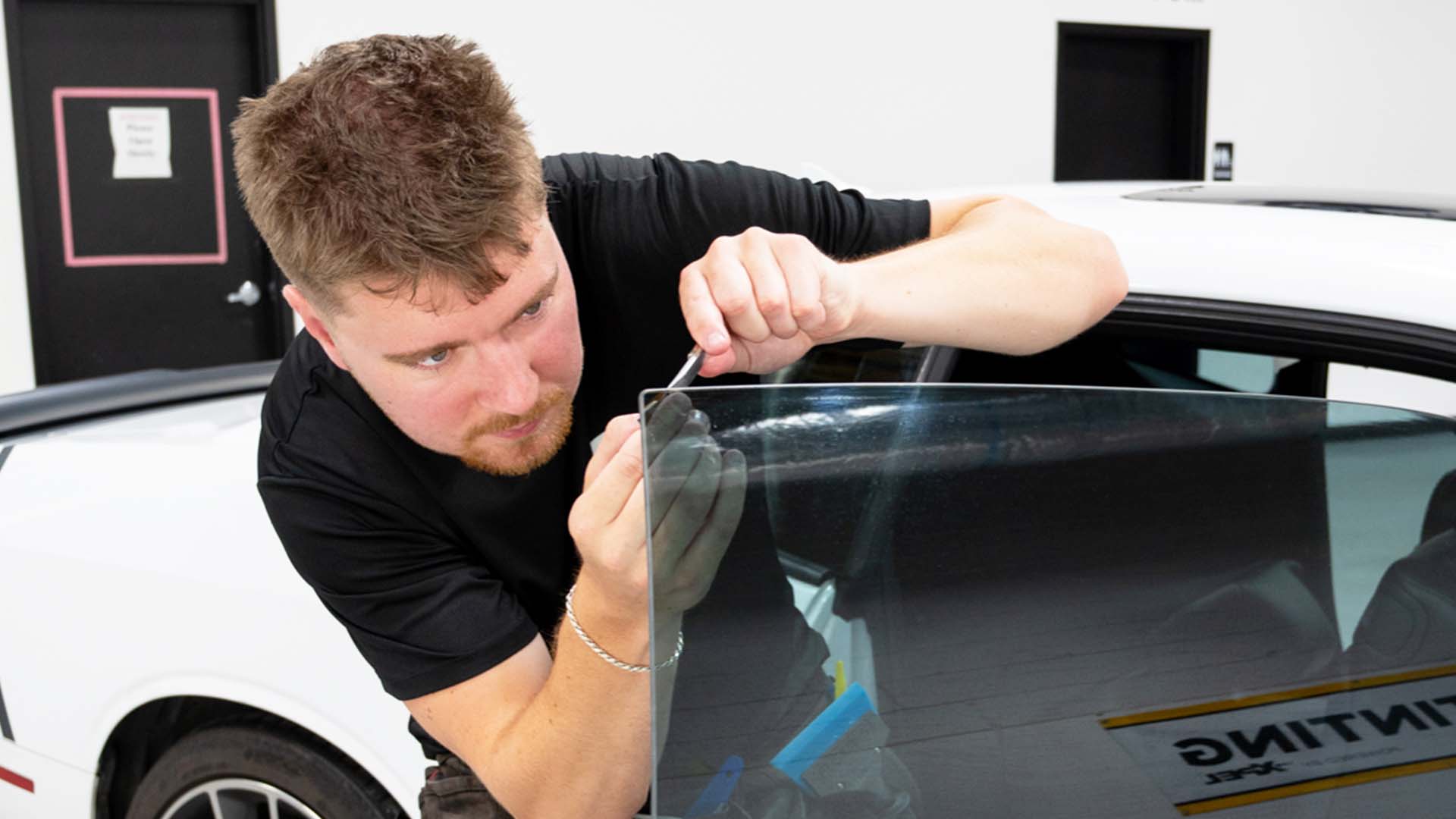
Georgia tint laws aren’t complicated until you’re sitting on the side of the road explaining your setup to a state trooper with a tint meter. Georgia State Patrol uses tint meters to measure Visible Light Transmission (VLT), which tells them how much light passes through your glass. Too dark, and you’re getting a ticket.
Here’s the straight answer to the questions clients ask most:
What is the darkest legal tint in Georgia?
2026 Georgia law allows 32% Visible Light Transmission (VLT).
Is 20% tint legal in Georgia?
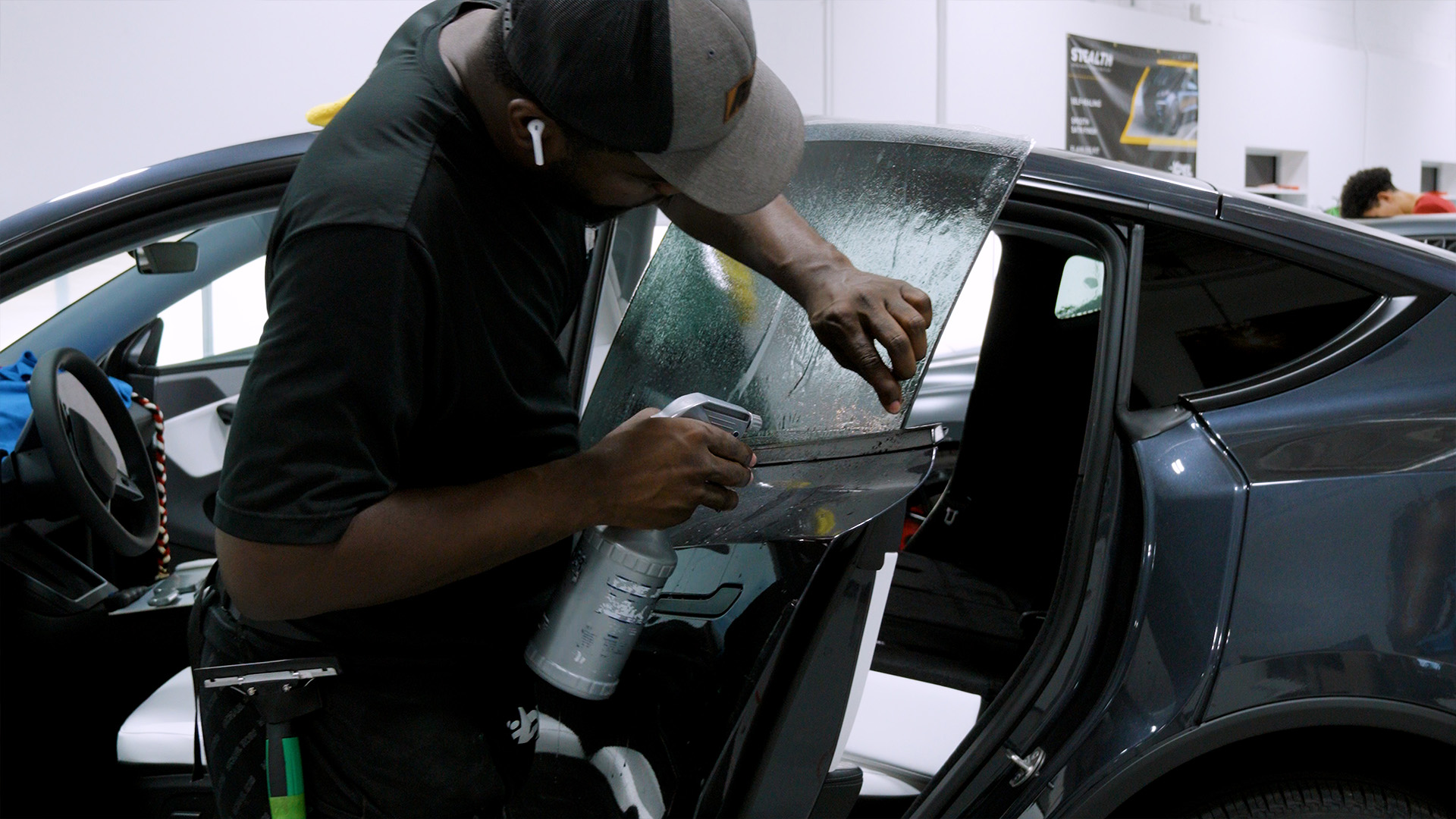
No, 20% tint is not legal on front side windows in Georgia because the state requires at least 32% visible light transmission (VLT). On SUVs and trucks, 20% can be legal on the rear side windows and back windshield.
Can you get pulled over for tint in Georgia?
Yes. An officer can stop you if your window tint appears darker than legal limits. Window tint is considered a primary offense in Georgia, meaning an officer can pull you over solely because your tint appears too dark.
Can I tint my windshield in Georgia?
No. Only the top six inches of the windshield can be tinted. Ceramic films like XPEL are typically used there for heat rejection without sacrificing visibility.
What’s the fine for illegal tint in Georgia?
Fines can reach up to $100 – $1000, depending on the offense.
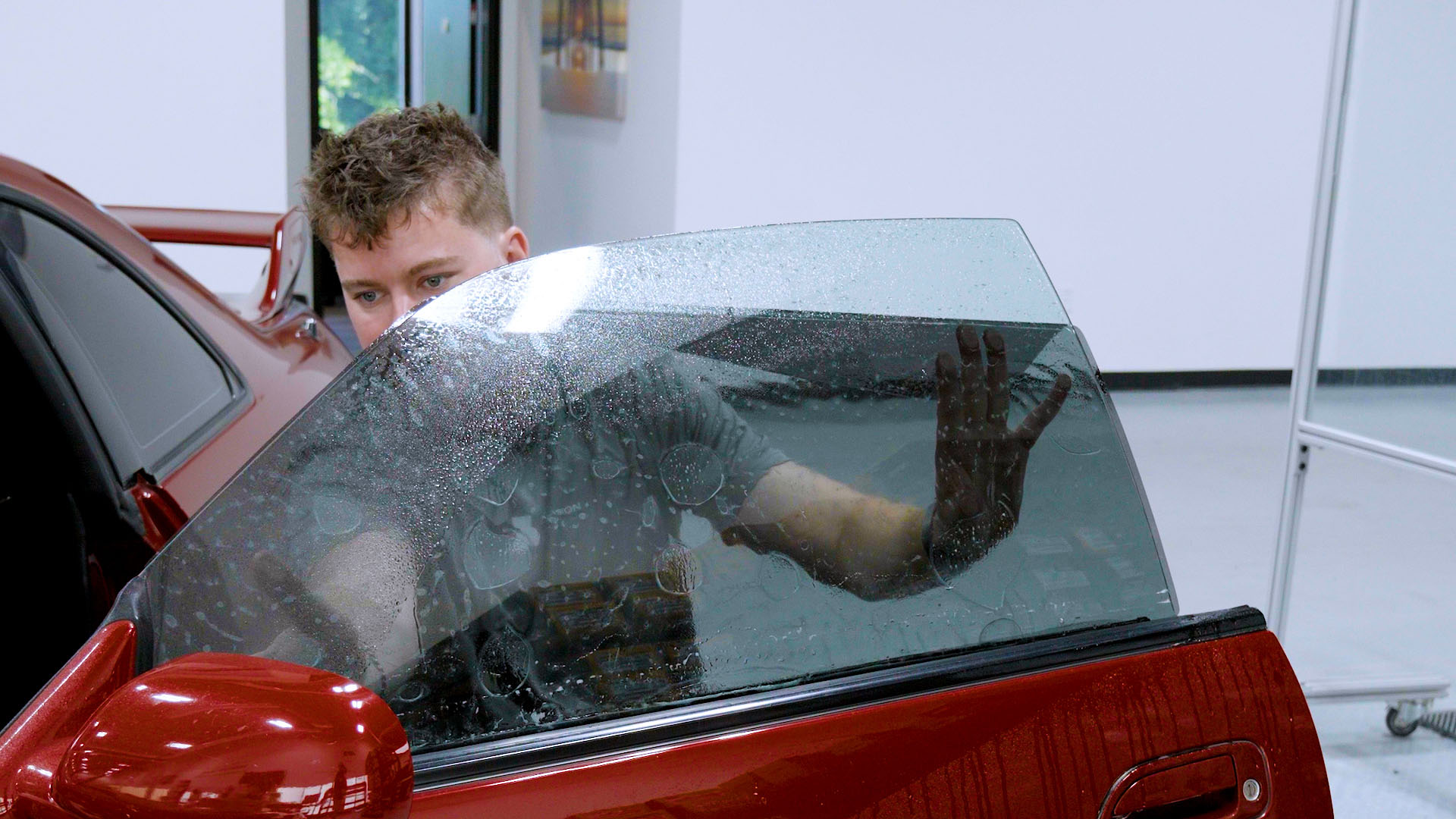
Does Georgia allow ceramic tint? Yes. Georgia allows ceramic tint as long as it meets the state’s visibility and reflectivity standards.
Can SUVs have darker tint in Georgia?
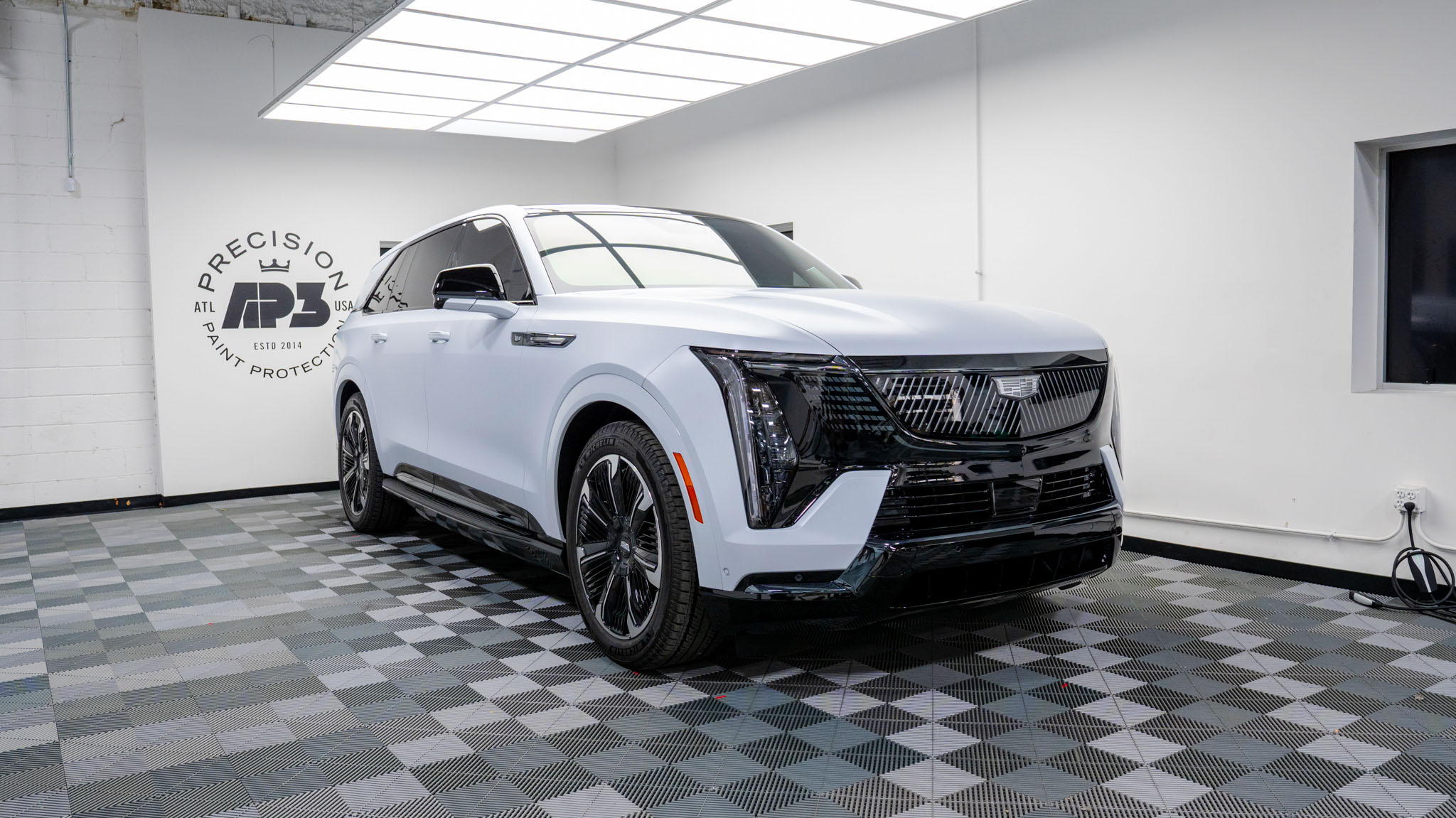
Yes. SUVs, trucks, and vans can legally run darker tint on the rear half of the vehicle.
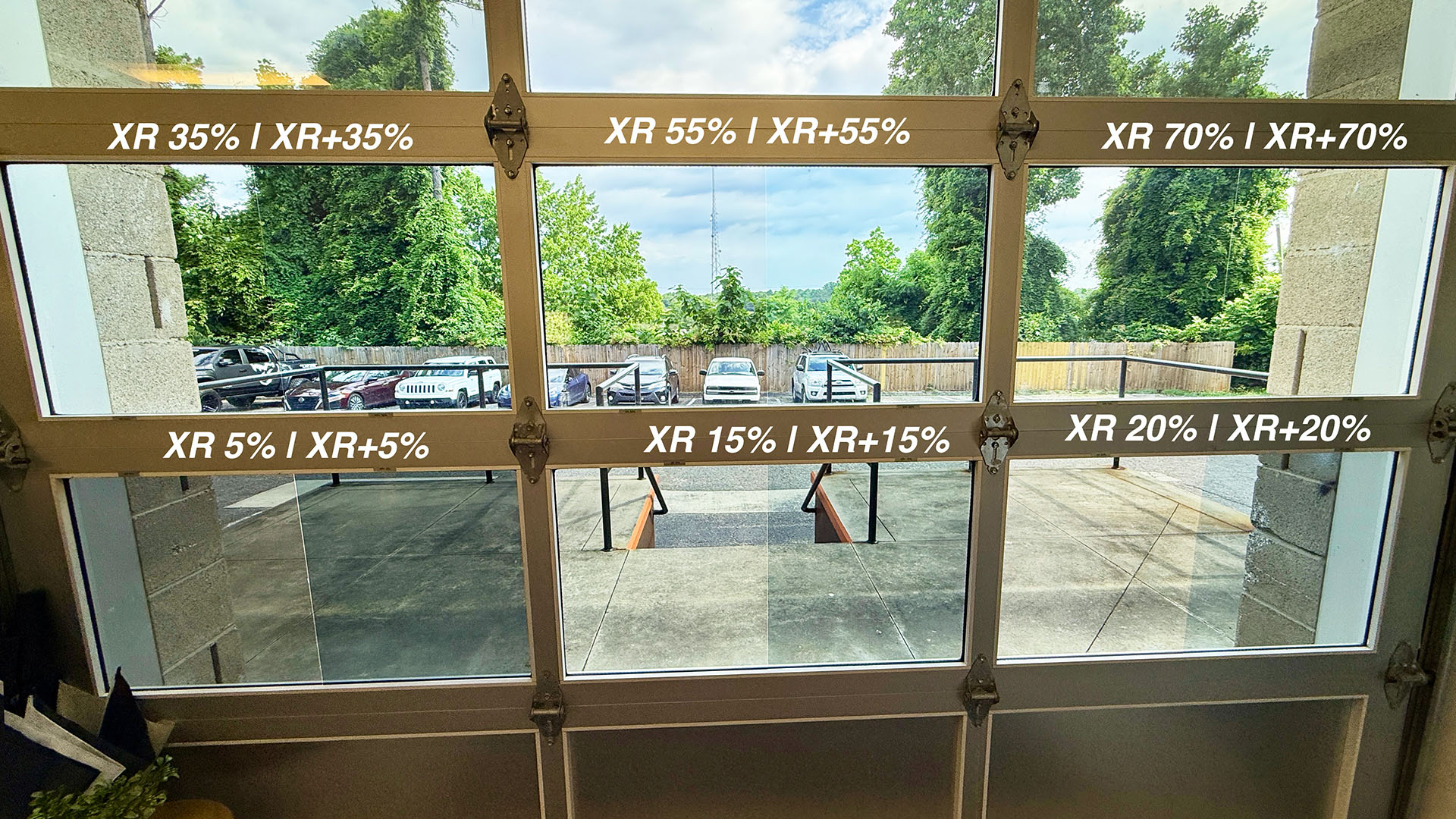
What does 32% tint actually look like?
A 32% tint gives the car a clean, refined look. Dark enough to add privacy and reduce glare, but not so dark that it screams blackout limo build.
Georgia Tint Law Quick Reference
|
Window Location |
Sedan / Coupe |
SUV / Truck / Van |
|
Front Windshield |
Top 6 inches only |
Top 6 inches only |
|
Front Side Windows |
32% VLT |
32% VLT |
|
Back Side Windows |
32% VLT |
Any Darkness |
|
Rear Window |
32% VLT |
Any Darkness |
|
Reflectivity |
Max 20% |
Max 20% |
|
Illegal Colors |
Red, Amber |
Red, Amber |
Heat & Ceramic Tint Questions
Is ceramic tint worth it in Georgia heat?
Absolutely. Nano-ceramic films like XPEL XR Plus can block up to 99% of heat-producing infrared radiation, keeping the cabin noticeably cooler during Georgia summers.
Best window tint for Atlanta summers?
Nano-ceramic film. No contest.
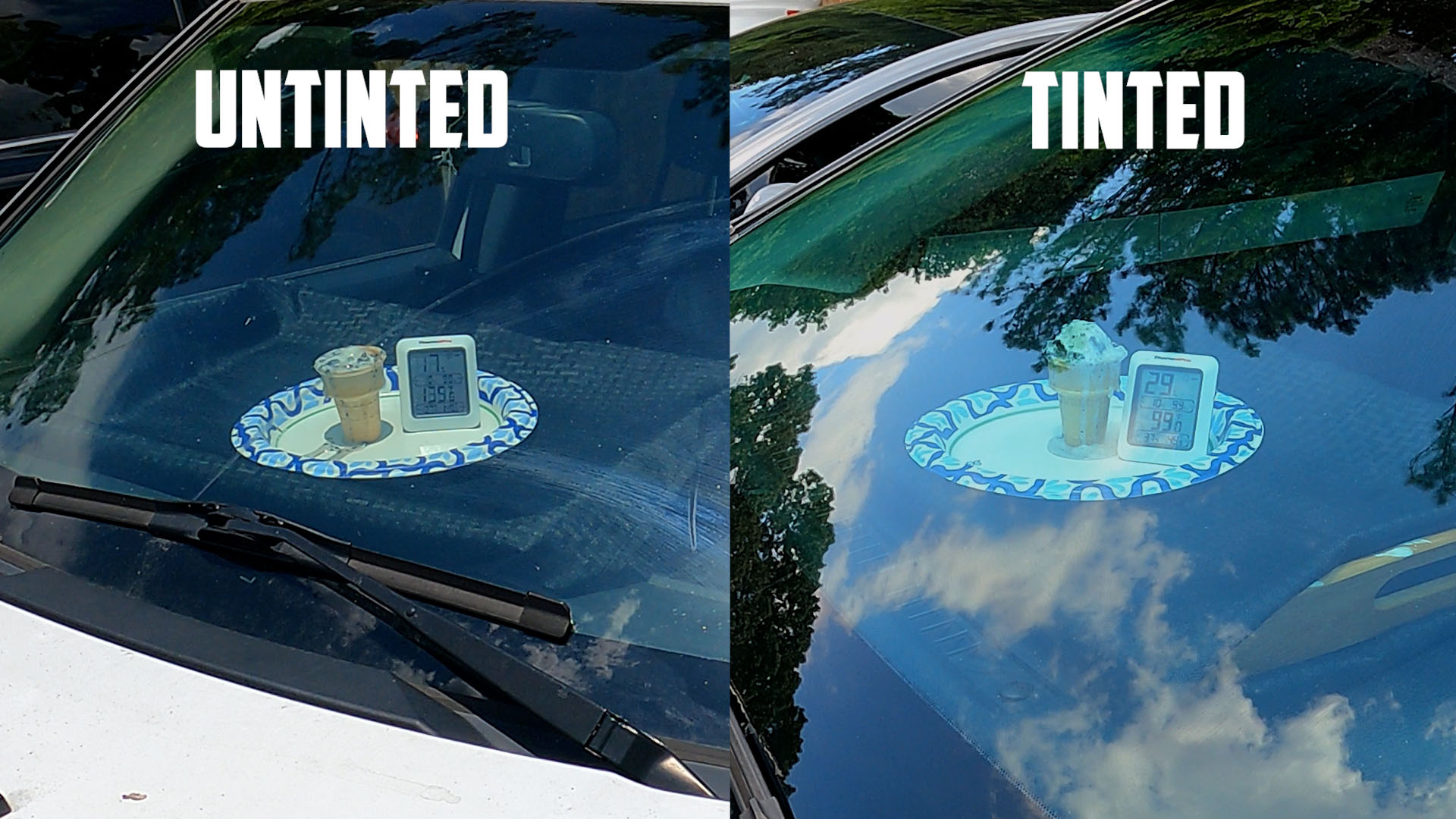
Does ceramic tint really keep the car cooler?
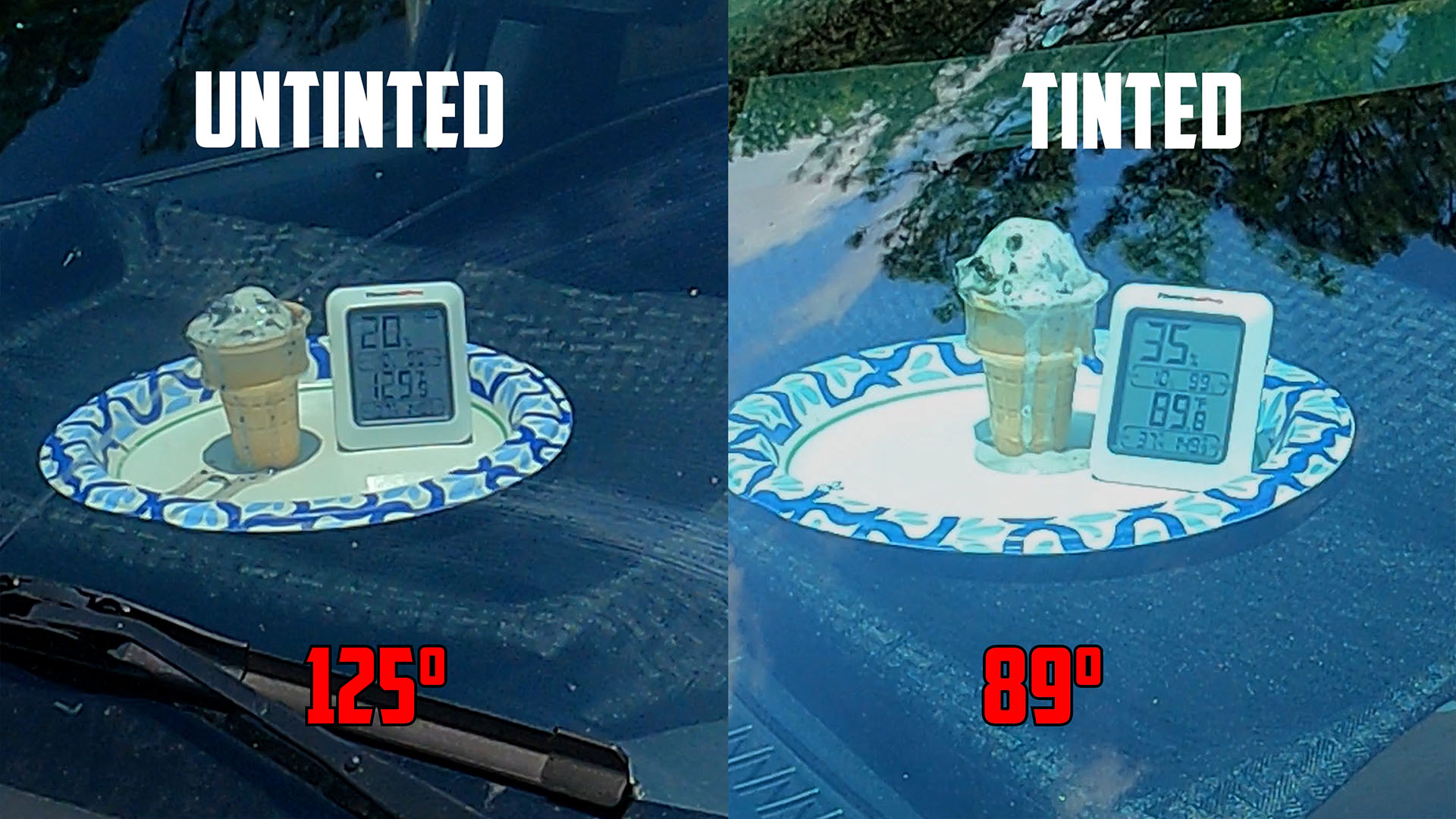
Yes. We’ve tested it ourselves, right down to the ice cream cone experiments. Less heat gets through the glass, which means cooler interiors and less strain on your AC system. Watch the recap video here!.
What’s the difference between ceramic and carbon tint?
Carbon tint is the solid middle-ground option, typically rejecting around 40–50% of infrared heat. Ceramic tint is the premium choice, using nano-ceramic technology to block up to 85–95% of infrared heat without interfering with electronics, GPS, or cell signals.
Does XPEL XR Plus reduce heat better than regular tint?
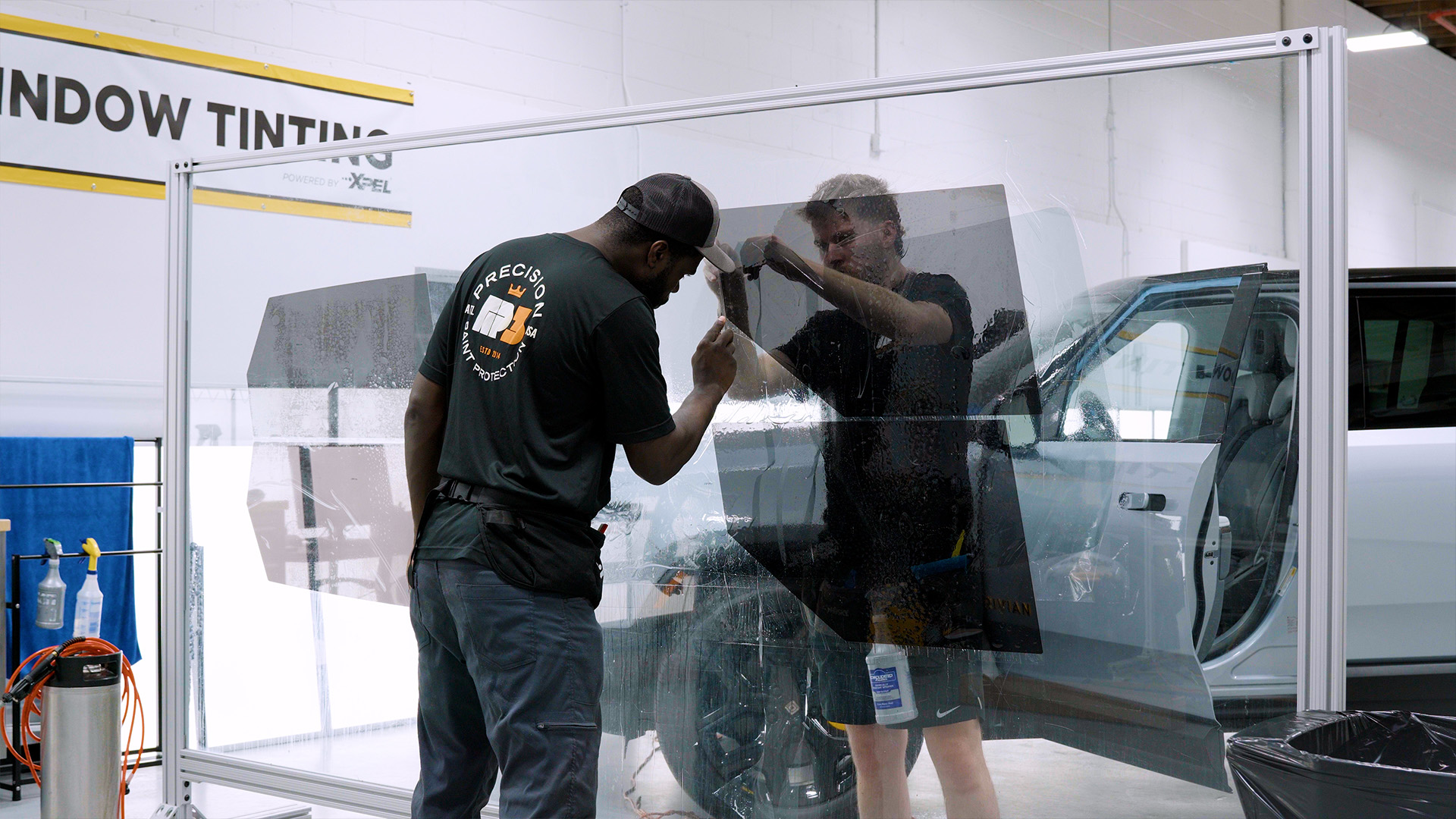
Yes. XPEL XR Plus outperforms standard dyed or metallic tint by a mile. It’s a multi-layer nano-ceramic film built specifically for maximum thermal control, making it ideal for Georgia’s relentless summer heat.
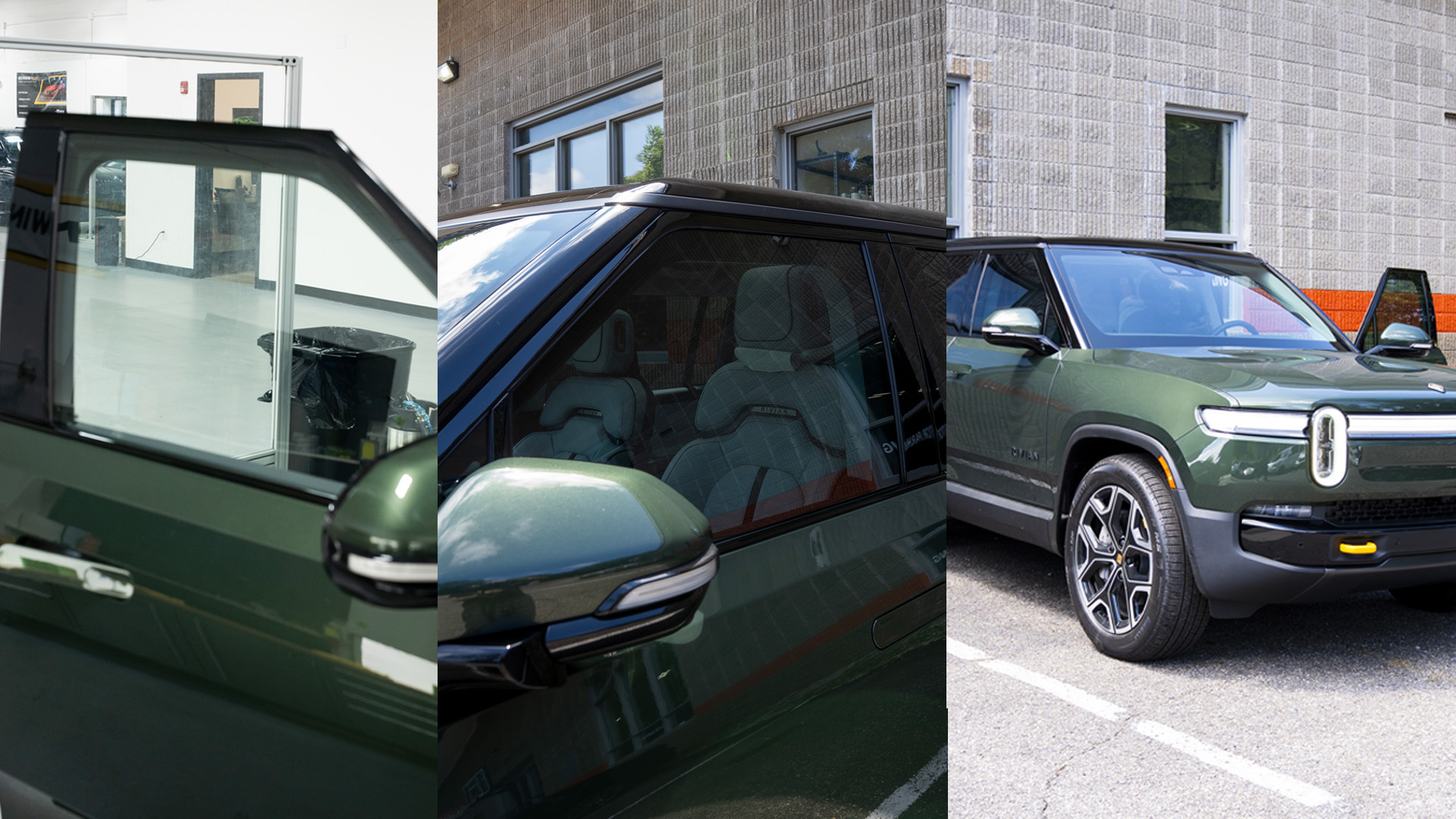
Can ceramic tint block UV without being dark?
Yes. Ceramic tint can block up to 99% of harmful UV rays, even in lighter shades that barely darken the glass.
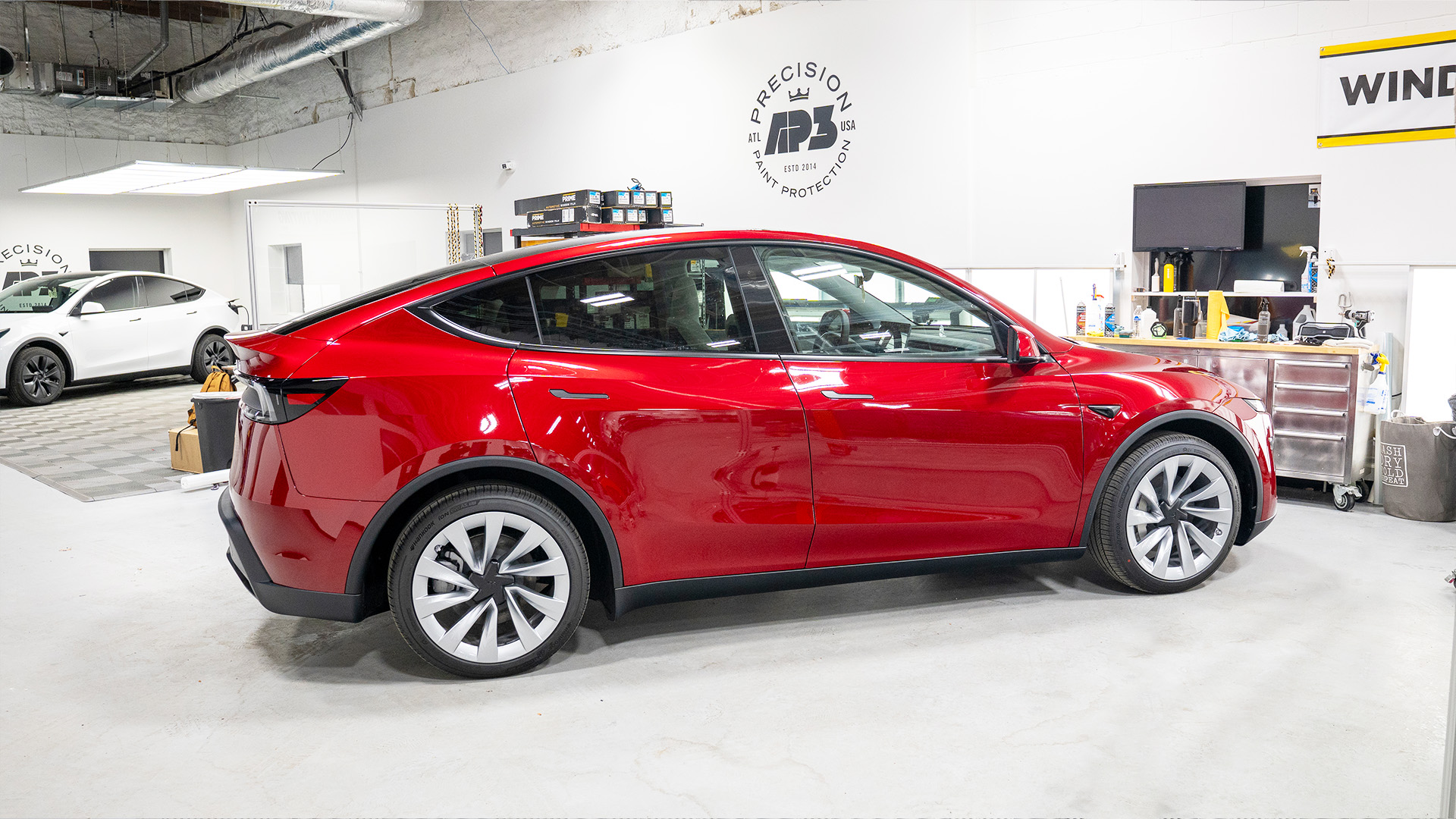
Best tint for Teslas in Georgia?
For Georgia heat, Nano-Ceramic film is the best choice for Teslas. It blocks UV and infrared heat without interfering with EV electronics, sensors, or GPS systems.
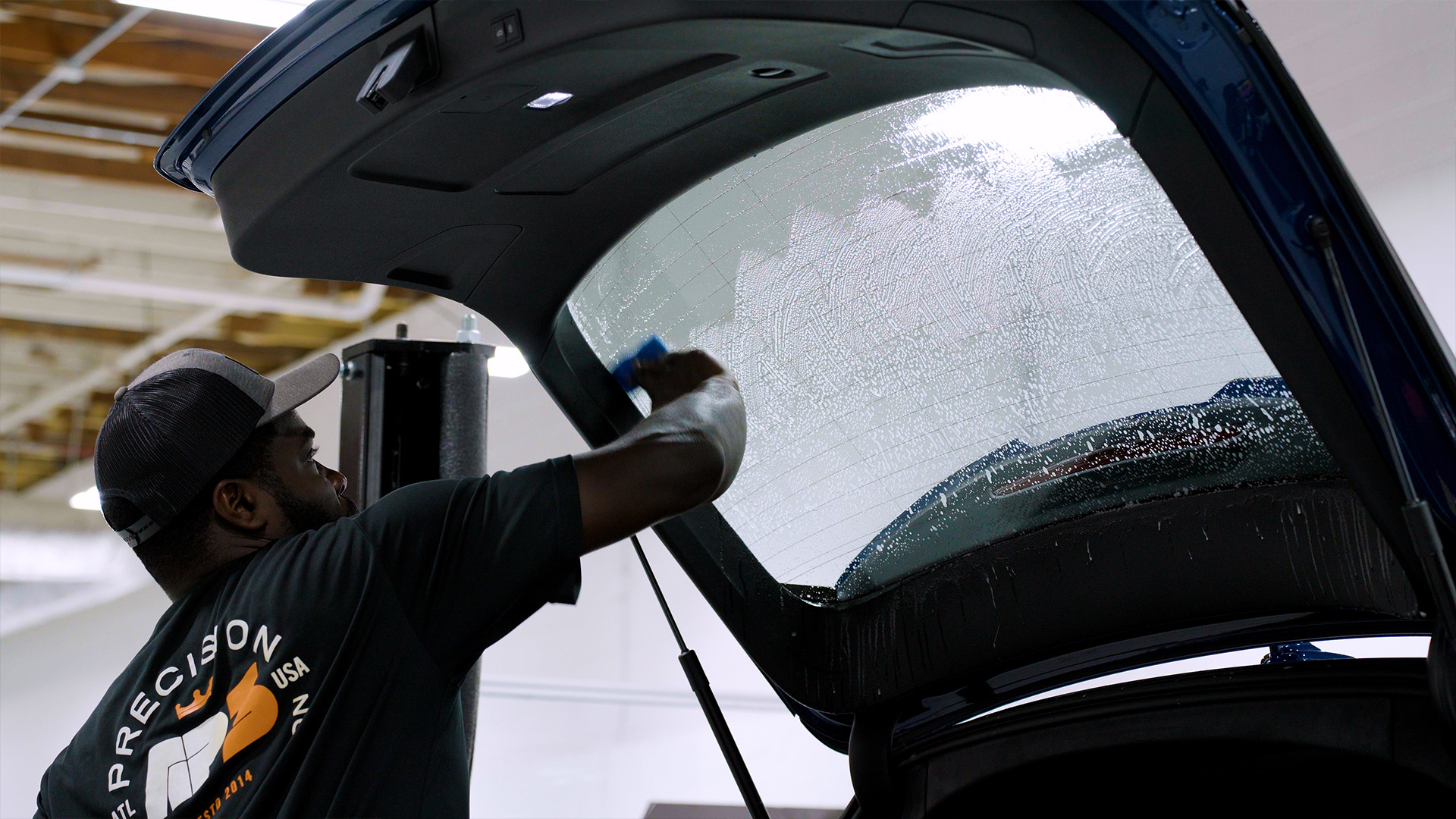
Will tint help my AC work better?
Yes. Tint reduces radiant heat from the sun, helping your AC cool the cabin faster and maintain temperature with less effort.
Nothing tests the brutal Georgia summer heat quite like a scoop of ice cream
As our tragic experiment proved, surviving a brutal Georgia summer requires much more than standard factory glass. High-quality window tint is essential for keeping your cabin cool, reducing UV exposure, and giving your overworked AC a fighting chance against the intense Atlanta heat. Don’t let the summer heat melt your driving experience—contact AP3 today to schedule your premium window tint, PPF, or ceramic coating installation!