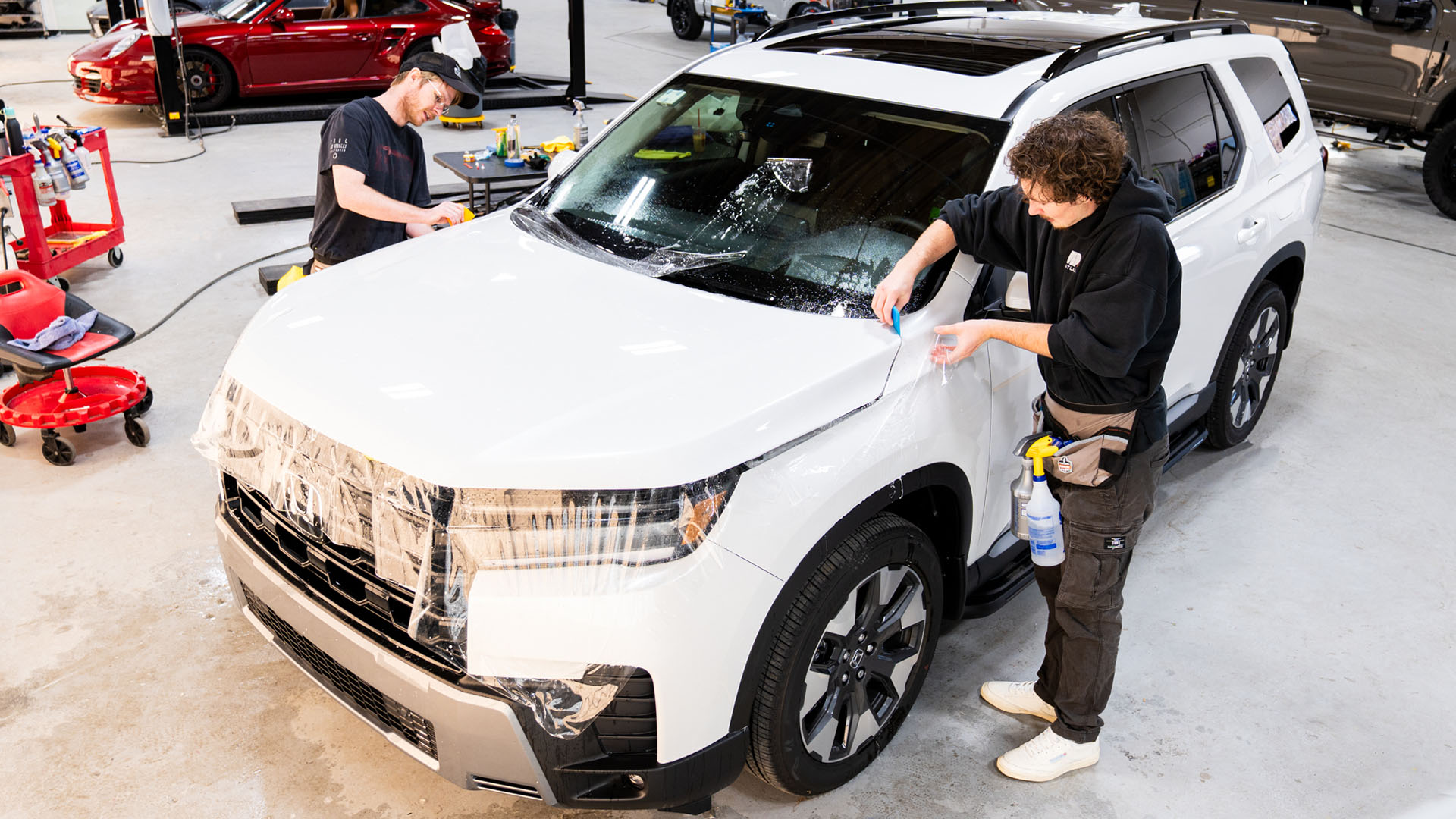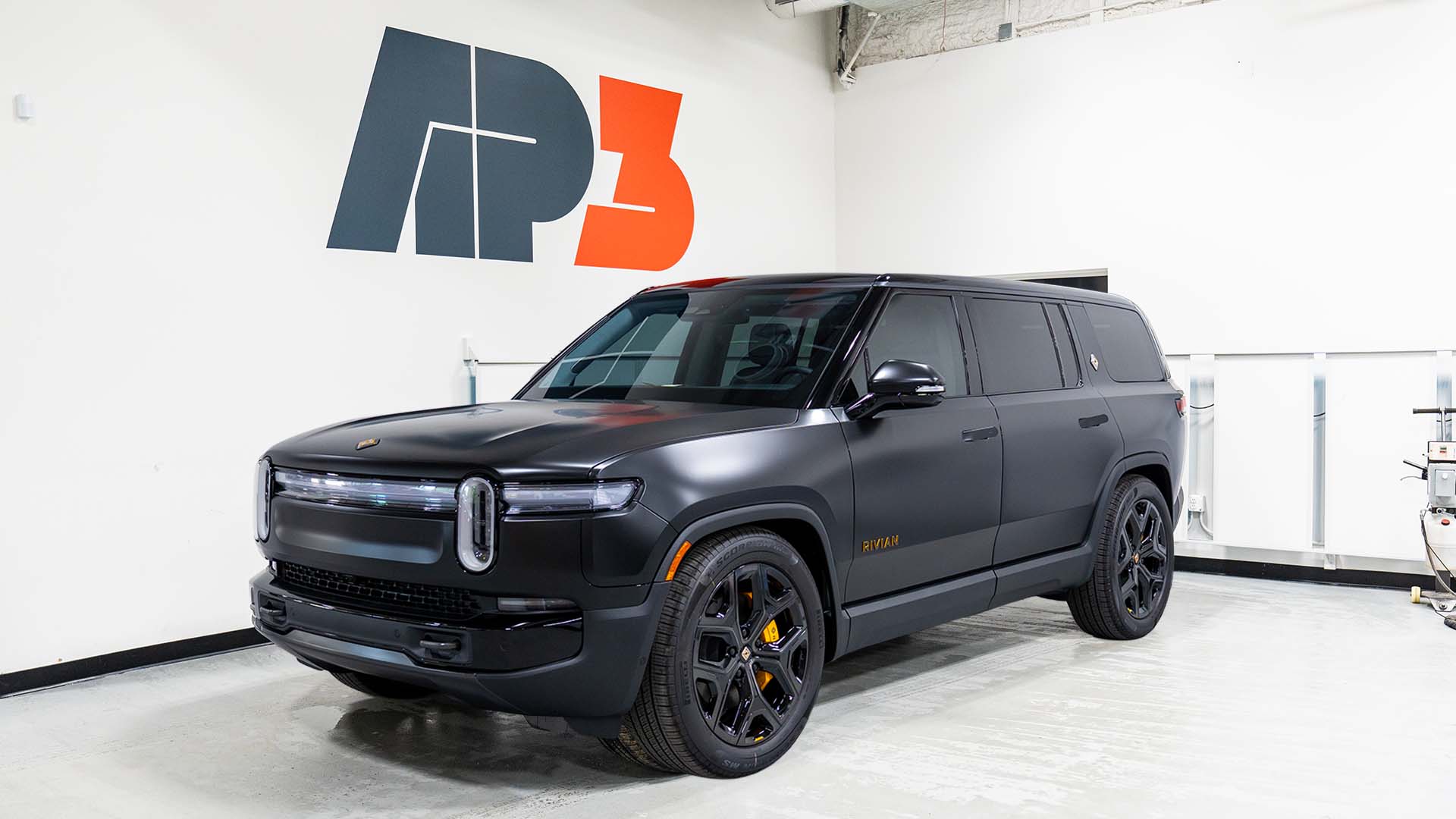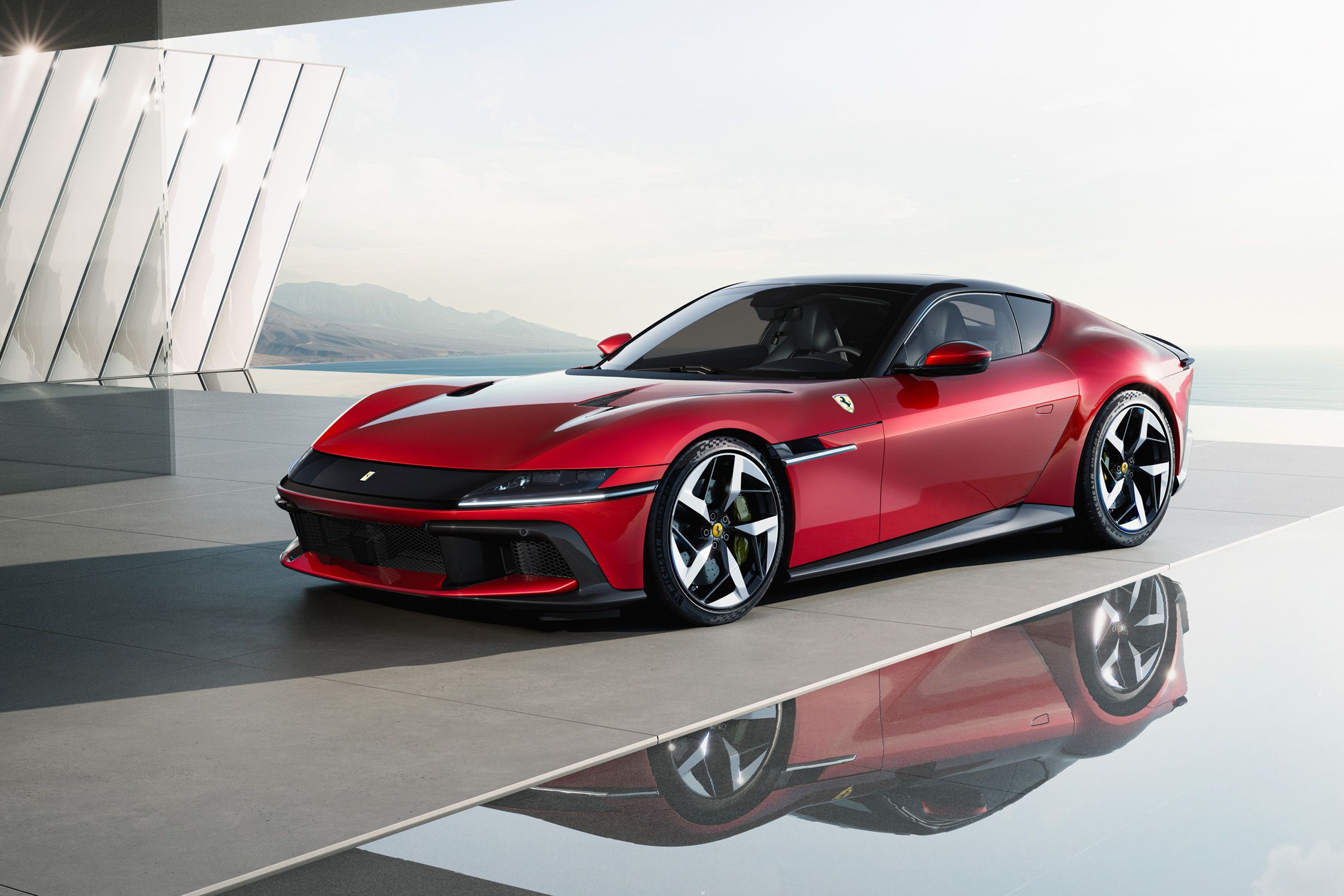
Welcome to this week’s breakdown inspired by our weekly show, “What’s In The Shop?” We see everything from six-figure supercars to the reliable commuters that keep your life running. If you’ve ever thought “should I get PPF for my car?”, this list might just give you the insight you’re looking for. Based on the data from our 2026 installs and the trends we see daily on our socials, here are the top 10 cars that benefit most from PPF.
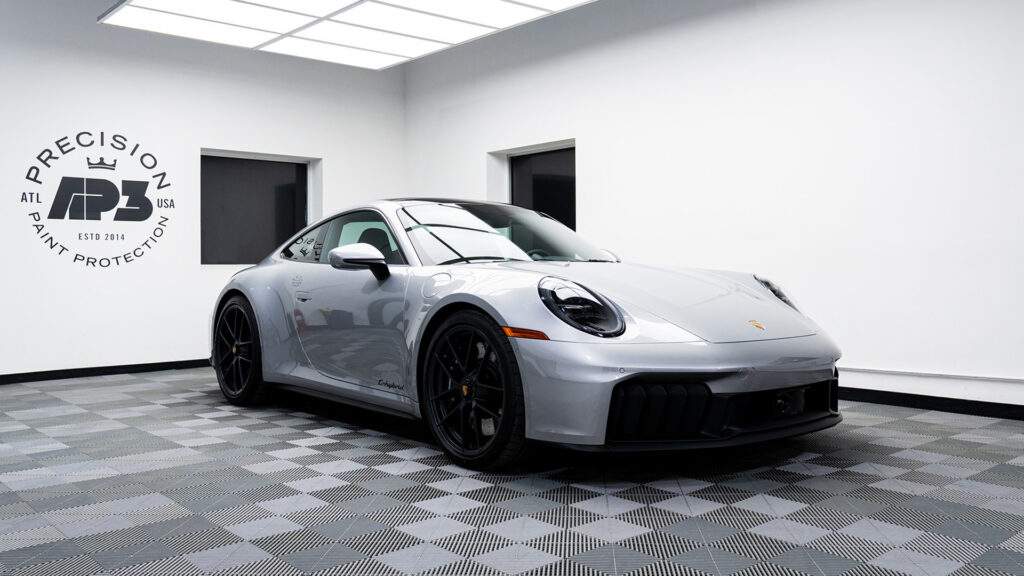
1. Porsche 911
The “What’s In The Shop” Regular: Whether it’s a base Carrera or a GT3 RS, the 911 is the king of PPF.
- Why: Its low-slung nose acts like a vacuum for road debris, and those iconic “wide hips” (rear fenders) catch rocks kicked up by the front tires.
- The Benefit: Preserving the original factory paint is critical for 911 resale.
For 911 owners looking to keep their prized possession in immaculate condition and maximize the future resale value, PPF is a must-have. Buyers of pre-owned Porsche 911s have now come to expect paint protection film.
2. Tesla Model Y
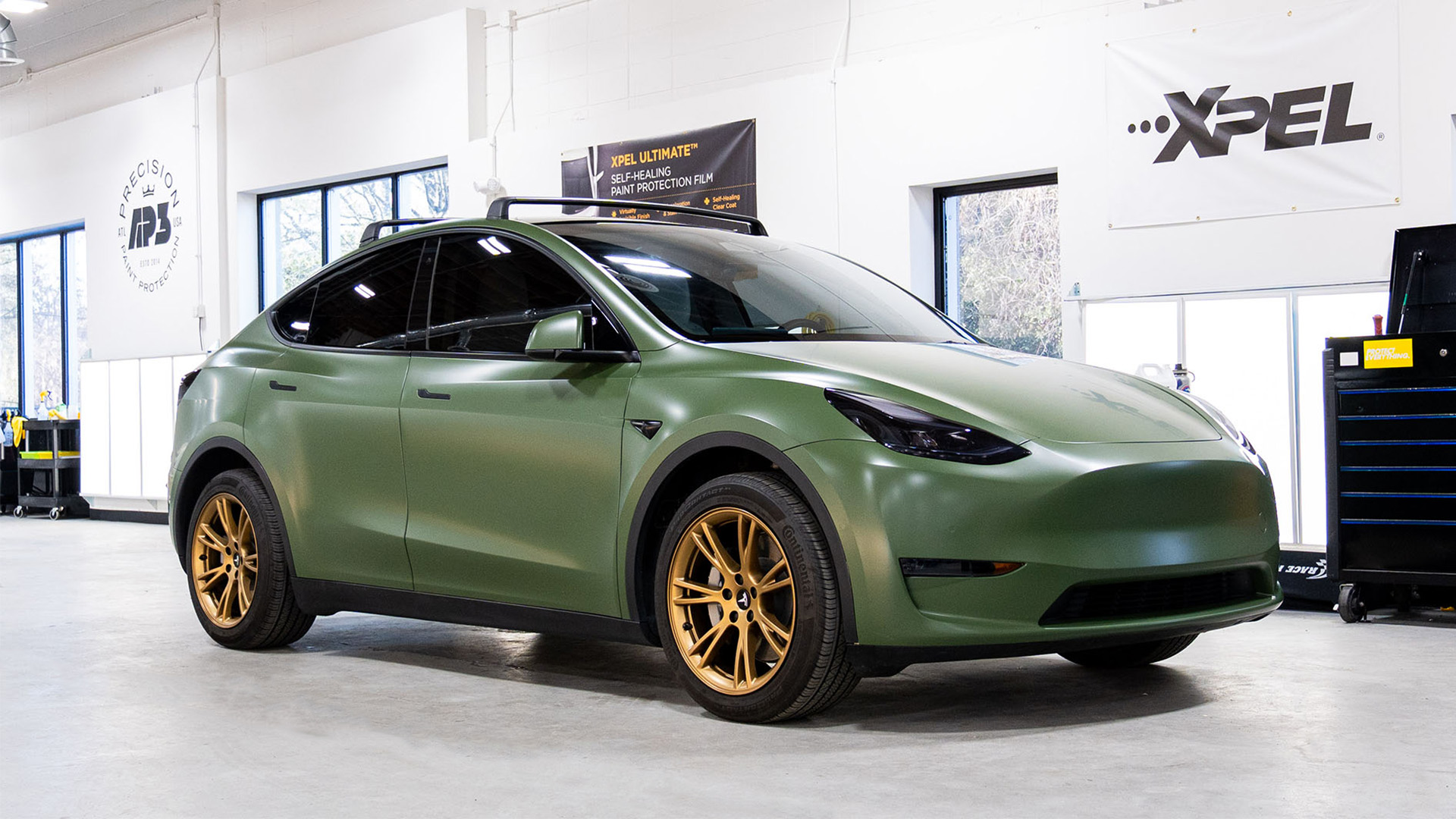
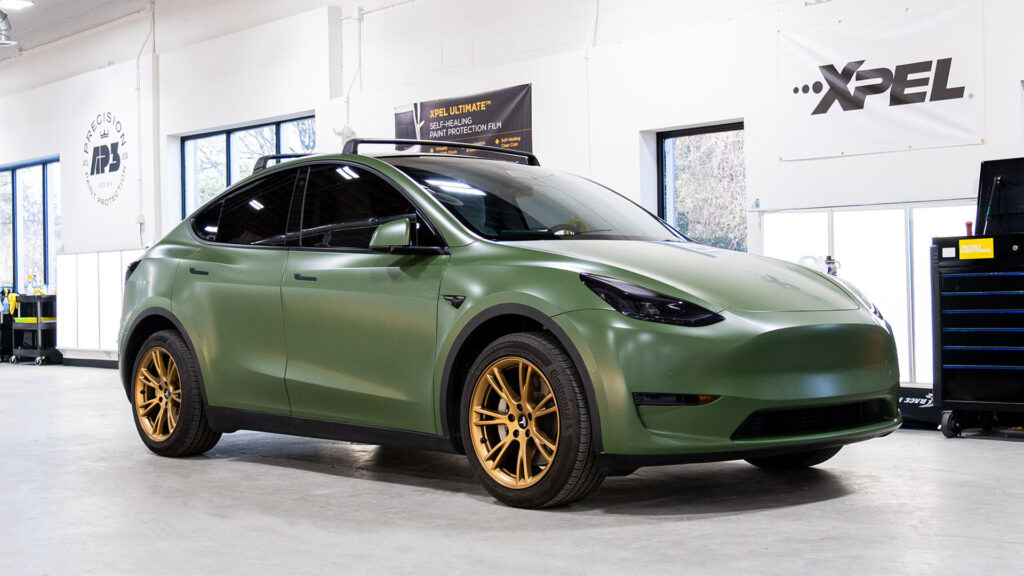
The Commuter King: We see more Model Ys than almost any other vehicle.
- Why: Tesla uses proprietary eco-friendly, water-based paint that is notoriously “soft.” The flat, grille-less front end is essentially a massive target for highway sandblasting.
- The Benefit: Keeps that “new tech” look from looking “pitted” and old within just 10,000 miles.
Owning a Tesla Model Y is proof that you value convenience and technology. Keep up the streak of smart decisions by getting paint protection film to make sure it stays looking as good as it drives.
3. Land Rover Defender
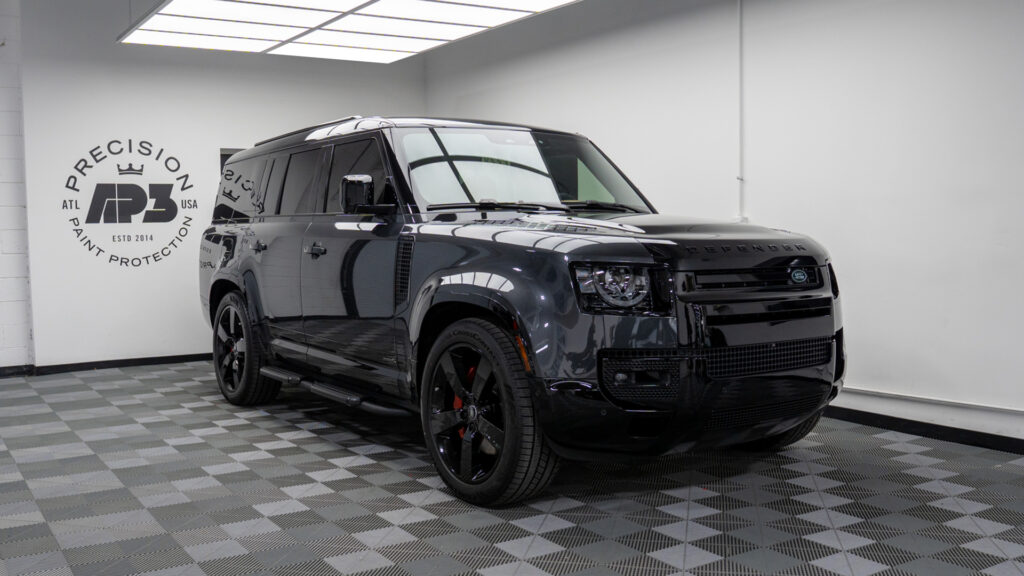
The Rare & Rugged: A favorite for our “Stealth” (matte) conversions.
- Why: Defenders have high, vertical front surfaces and wide A-pillars that catch everything. Plus, some owners actually take these off-road.
- The Benefit: Protects against “trail rash” (scratches from branches) and gives the car a rugged, custom satin look if you opt for matte film.
Land Rover makes luxury cruisers built with offroad capability. Whether your goal is to maintain a pristine finish, or transform the look with an eye-catching matte finish, paint protection film is the solution.
4. Chevrolet Corvette
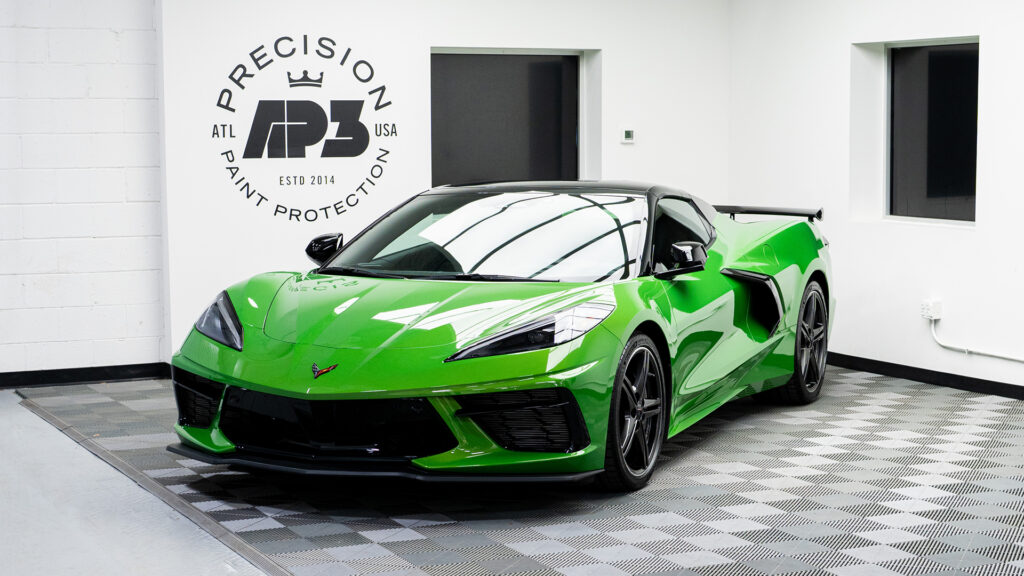
The Enthusiast’s Choice: These cars are built for the track, and the track is brutal on paint.
- Why: The front end, aggressive aero ducts, and side intakes are all “high-impact” zones.
- The Benefit: A “Track Pack” PPF setup allows you to survive a track day without your paint getting shredded from track shrapnel.
Much like the Porsche 911, the modern Corvette is a prime candidate for PPF. The enthusiast nature of the vehicle demands paint protection film in order to avoid resale concerns.
5. Toyota Tacoma
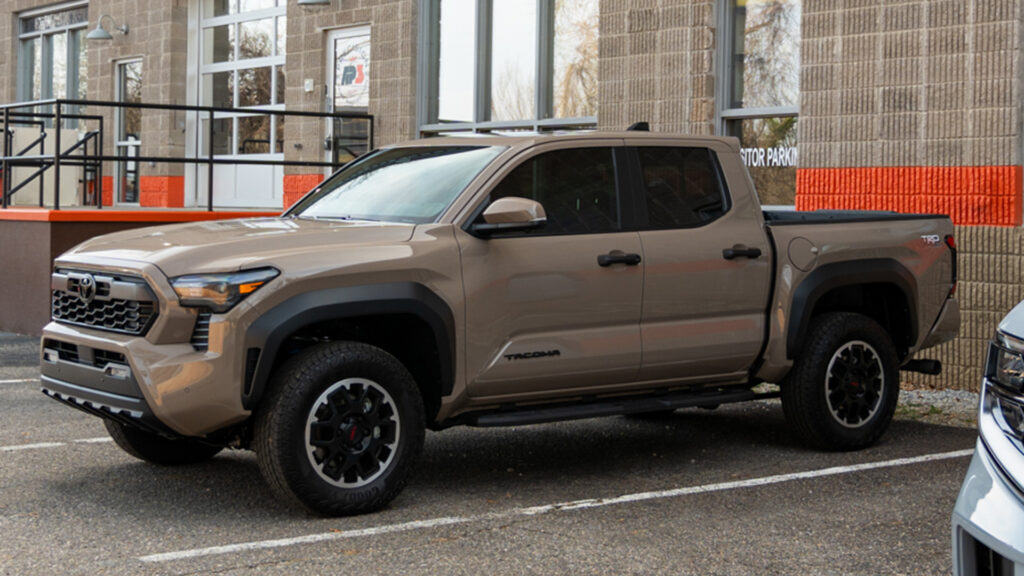
The Off-Road Warrior: The new 2025 redesign has brought a wave of these into the shop.
- Why: Like the Defender, the Tacoma faces mud, grit, and gravel. Toyota’s newer paint formulations are thinner than the “bulletproof” coats of the 90s.
- The Benefit: Prevents the hood and rocker panels from looking like sandpaper after a weekend in the dirt.
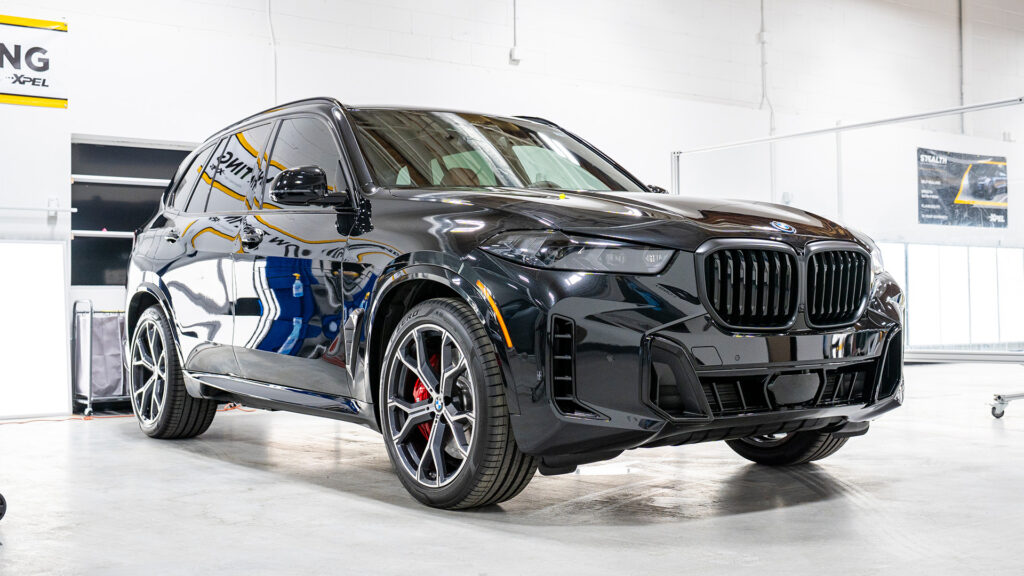
6. BMW X5
The Luxury Daily: The ultimate daily cruiser and executive transport.
- Why: Massive front kidney grilles and gloss-black trim pieces are scratch magnets.
- The Benefit: Keeps the “piano black” pillars from developing those ugly swirl marks that usually appear after even one trip to a car wash.
Luxury vehicles like the X5 have strong presence when you see them brand-new at the dealership. That brand-new look only lasts if you protect it with PPF.
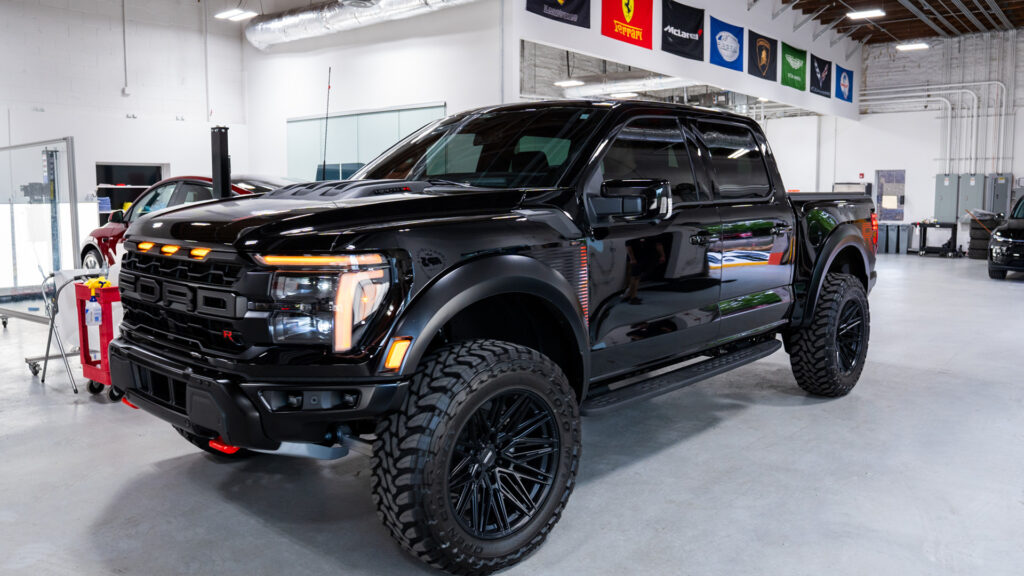
7. Ford F-150 Raptor
The Heavy Hitter: We see many of these performance trucks needing “hand-cut” precision.
- Why: Large surface areas mean more chances for damage. Performance trucks with wide-body flares often don’t have standard “templates,” requiring our shop pros to custom-fit the film.
- The Benefit: Stops the leading edge of the hood from rusting due to deep stone chips.
The aggressive performance of a Ford Raptor is only matched by it’s design. If you want to keep it looking tough and ready for anything, PPF is a no-brainer.
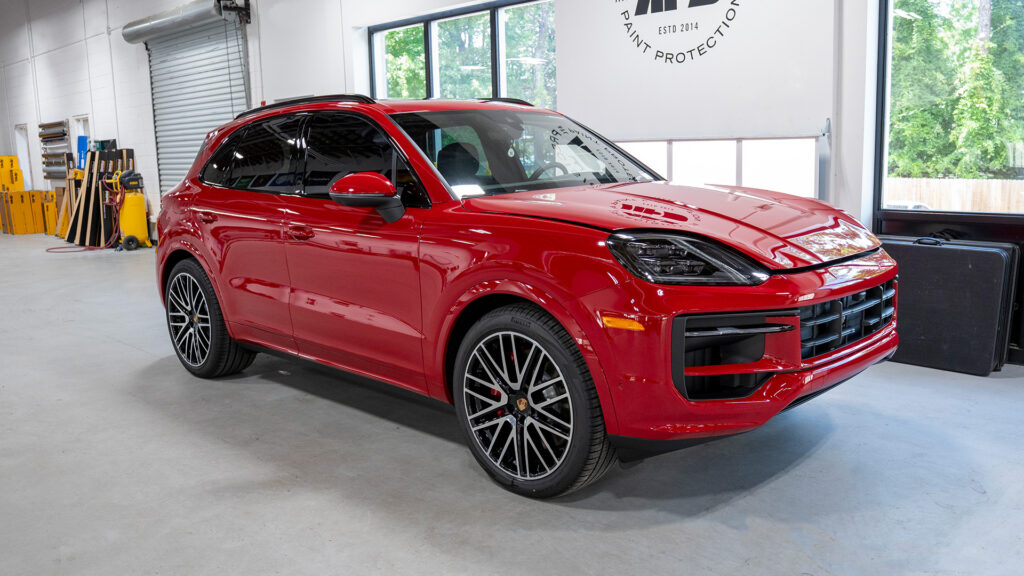
8. Porsche Cayenne
A Special Model: For the driver who demands both performance and utility.
- Why: High-speed highway commuting leads to road rash on the bumper, hood, fenders, and mirrors.
- The Benefit: Ensures the car stays in “Showroom Condition,” which is vital for the resale value bump we discussed earlier.
You shouldn’t be surprised to see another Porsche on this list. Though it may not be a dedicated track car, the Cayenne holds prestige of its own, and it must be protected.
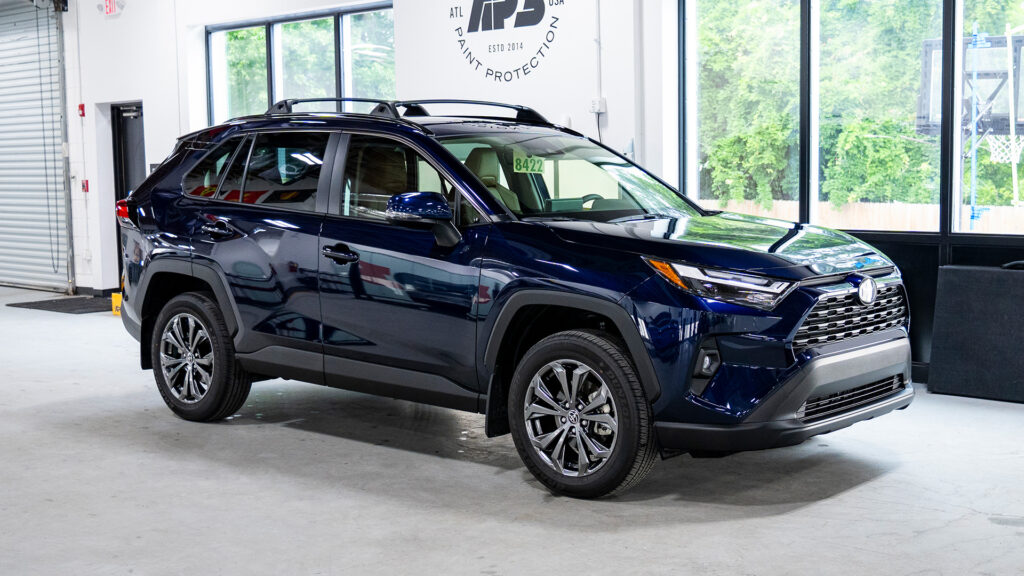
9. Toyota RAV4
The Do-It-All Hero: Your daily driver for all occasions.
- Why: As one of the best-selling cars in the world, a pristine RAV4 stands out in the used market.
- The Benefit: Provides “peace of mind” protection against grocery carts and salt-treated winter roads.
The RAV4 is a vehicle that owners put miles on. If it’s going to brave road trips, daily commutes, and more, you might as well protect the paint before it begins these adventures.
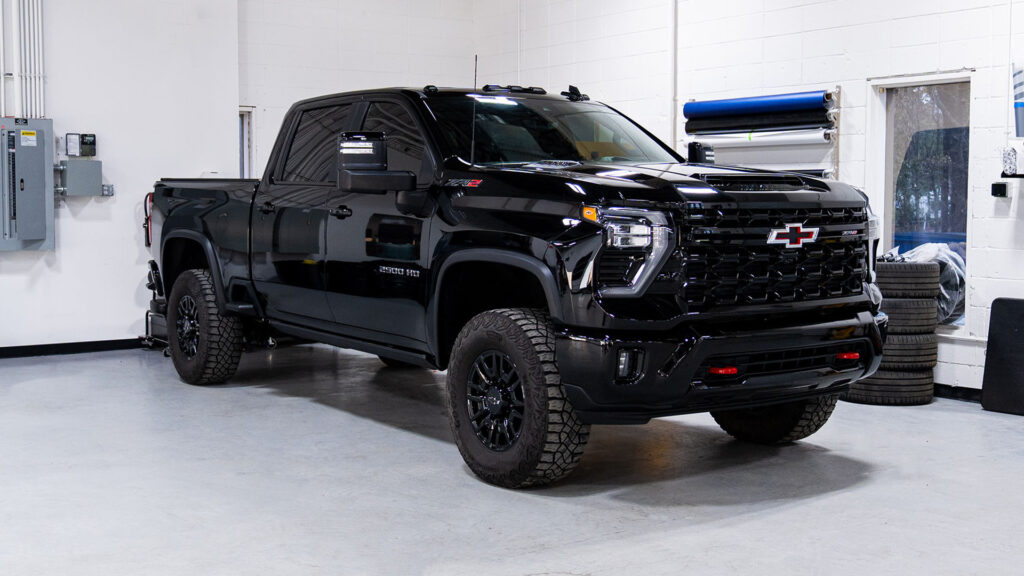
10. Chevrolet Silverado
The Workhorse: Often featured on “What’s In The Shop” for its sheer size.
- Why: The painted bedsides and tailgate take a beating when equipment is loaded in and out.
- The Benefit: PPF acts as a “time capsule” for the paint, ensuring that when the work lease is up, your truck looks brand new underneath the film.
If you’re using this truck for work, it’s inevitably going to get some bumps and scratches. Rather than living with the damage or repainting it with a body shop, do yourself a favor by just protecting it from the start.
The Verdict
From the “rare” 911s to the “commuter” Teslas, the trend we see daily is clear: PPF is no longer just for supercars. It’s for anyone who wants to safeguard the vehicle they’ve invested in. Even if your vehicle isn’t on this list, you can be assured another owner has had PPF installed to it for one reason or another.
Frequently Asked Questions
No, PPF is suitable for any vehicle, providing a reliable layer of protection against anything the road throws at it.
While it’s possible, professional installation is recommended for optimal results and warranty coverage.
The lifespan of PPF depends on factors such as quality, maintenance, and environmental conditions. Modern PPF from leading brands like XPEL a guaranteed for a minimum of 10 years.
With professional installation, PPF is virtually invisible and indetectable.
When professionally installed, Full Front-end protection tends to range between $2000-2500 for most vehicles, while Full Coverage can span from $6000 and above. Pricing is tailored based on the unique material and labor demands of your vehicle.
Conclusion: Choosing PPF Comes Down to Your Needs
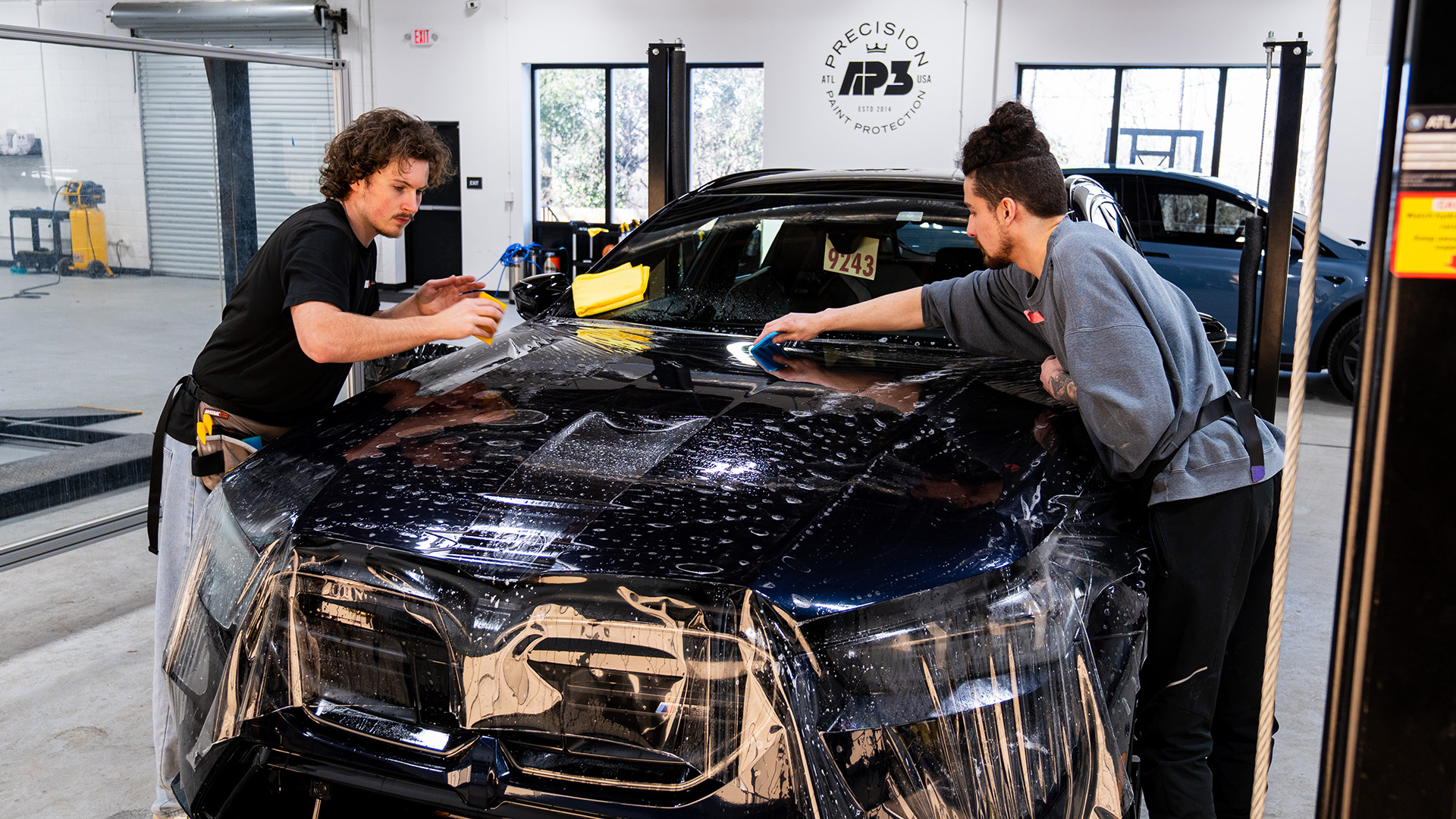
Deciding if PPF is worth it for your vehicle depends much more on your goals, rather than the type of vehicle itself. The only real downside to PPF is the upfront cost, so the decision ultimately comes down to a few things:
- Is it meaningful to you to have your new vehicle stay looking new while you own it?
- Is exterior condition an important aspect for resale value?
- Do you want to avoid expensive paint repairs and down time with a body shop?
If any of these questions resonated with you, it’s definitely worth looking into PPF. Modern paint protection films from brands like XPEL solve a problem that has plagued drivers since the dawn of automotive.
If you live in the Atlanta area, and need a reliable PPF installer, reach out to AP3. AP3 is Atlanta’s only XPEL Signature Partner – having completed countless PPF installations spanning more than a decade. If the details matter, AP3 is the local installer trusted by dealers, manufacturers, and collectors. Click HERE to get a quote.